
Do you need a bone graft for a dental implant?
An implant needs bone to hold it. When there is not enough, a graft builds it back.
Your tooth roots keep your jaw bone busy. When a tooth is lost, that bone has no job. Over time, it slowly shrinks.
Gum disease can also eat away at bone. So can an old infection. The longer a gap stays open, the more bone you can lose.
A bone graft is material placed where the bone is thin. It works like a frame. Your body slowly grows its own new bone into it.
The material can come from a few places. Your dentist will explain which kind fits your case and why.
Your dentist looks at X-rays and a 3D scan of your jaw. These show how tall and how wide the bone is. If the implant would not sit fully in solid bone, a graft is the safe choice.
A graft adds healing time. The new bone needs a few months to become solid. Then the implant goes in, or keeps healing if it went in the same day.
This feels slow. But an implant in strong bone lasts. An implant in weak bone can fail. The wait protects your result.
A graft is not the only tool. In the upper back jaw, the sinus can sit close to the bone. A sinus lift raises the sinus floor a little and adds bone under it. This makes room for an implant.
When a tooth is pulled, a graft can go into the empty socket right away. This helps keep the bone from shrinking. It makes a future implant easier.
Not every case needs extra bone. Sometimes a shorter or narrower implant fits the bone you have. Your dentist will look at your scan and explain each choice. Ask questions until the plan makes sense to you. A clear plan makes the wait easier.
Most people feel sore for the first few days. Some swelling is normal. Eat soft food, chew on the other side and keep the area clean the way your dentist shows you.
Call us if pain or swelling gets worse after a few days. If you have trouble breathing or swallowing, go to the emergency room.
The area is numbed during the visit. Most people feel sore for the first few days after.
Sometimes, when only a little bone is needed. A bigger graft usually heals first.
No. Waiting usually means more bone loss. If a tooth is gone, it is better to plan the implant early.
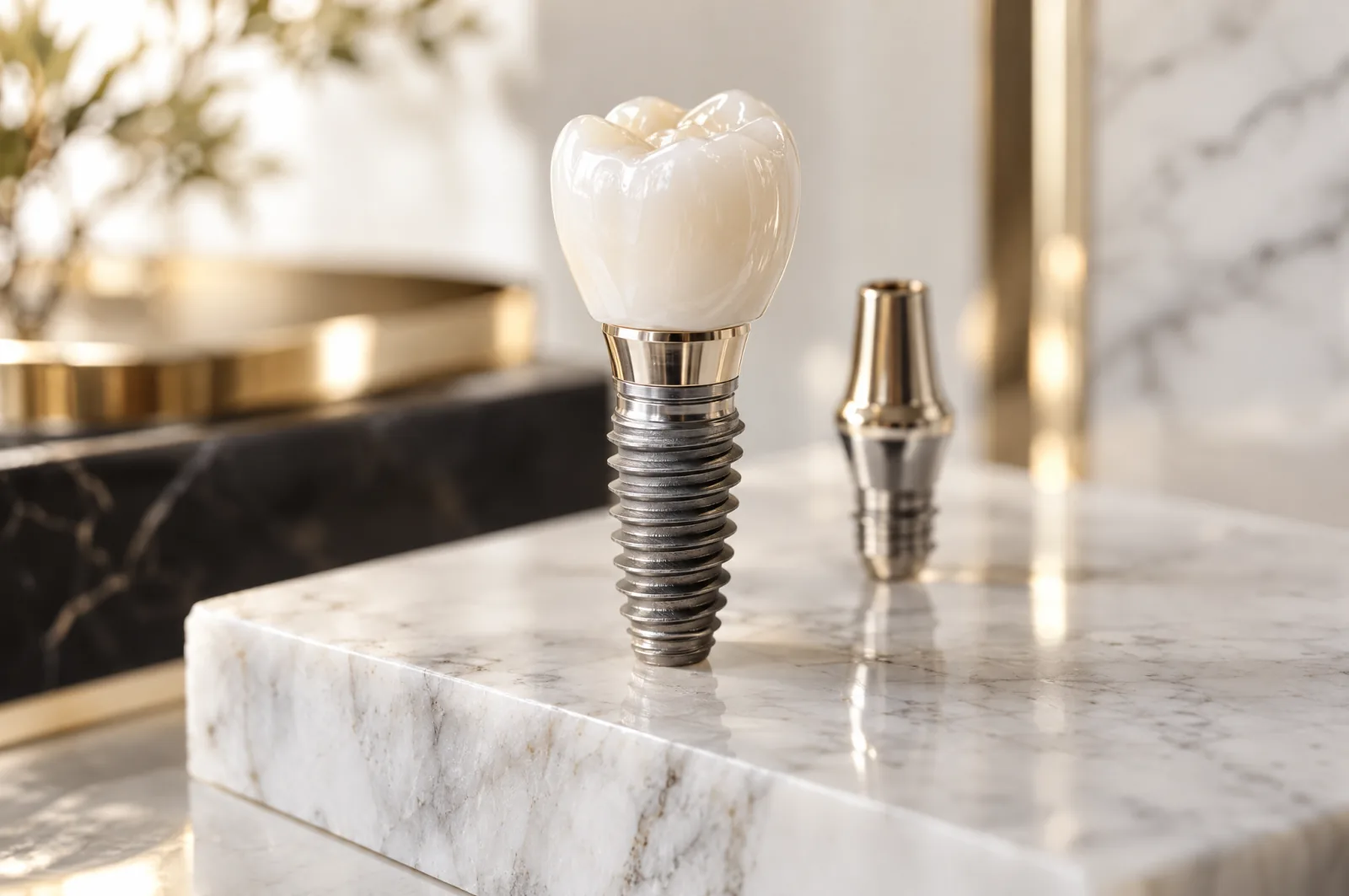
Soreness after an implant lasts the first few days. The bone takes a few months to grow around it. What happens at each stage and how to help it heal.
November 2, 2026
Same-day implants let you leave with a temporary tooth on the day the implant goes in. Who can get them, what "same day" really means, and what comes next.
November 2, 2026
A gap does more than change your smile. Nearby teeth drift, the bone shrinks and chewing gets harder. What changes over time and your options to fix it.
November 2, 2026Book a visit. A scan of your jaw answers it in one appointment.