
Teeth grinding: the signs and how to fix it
Most people who grind do it in their sleep. Your teeth often show it before you feel it.
Grinding means rubbing or clenching your teeth together hard. The dental word is bruxism. Many people do it while they sleep. Some do it during the day when they focus or feel stressed.
Grinding wears down the hard outer layer of your teeth. Over time, teeth can crack or chip. Fillings, crowns and veneers can break.
It also strains your jaw muscles and joint. This can lead to jaw pain, called TMD. The joint is the hinge just in front of your ear.
A custom night guard. This is a thin cover your dentist makes to fit your teeth. You wear it while you sleep. It takes the force so your teeth do not.
Lower stress. Stress is a common trigger. Exercise, rest and a calm bedtime routine can help.
Daytime habits. Notice when you clench. Keep your lips closed and your teeth slightly apart.
Check the cause. Some sleep problems, like snoring or sleep apnea, are linked to grinding. Talk with your doctor if you snore loudly.
A night guard lasts longer with simple care.
Bring your guard to your checkups. We look for wear and cracks and make sure it still fits. If you grind very hard, the guard will show it first. That is good. It means the guard took the force instead of your teeth.
Store guards are one size fits all. They can be bulky and can shift your bite. A custom guard fits your teeth closely and feels thinner. Our lab is inside the office, so we make and adjust it here.
Worn or broken teeth can often be rebuilt with bonding, crowns or veneers once the grinding is under control.
Daytime clenching can improve when you notice it. Night grinding is harder to control, so a night guard protects your teeth.
Not always. It protects your teeth and jaw from the force, which is the main goal.
Often, yes. Stress is one of the most common triggers.
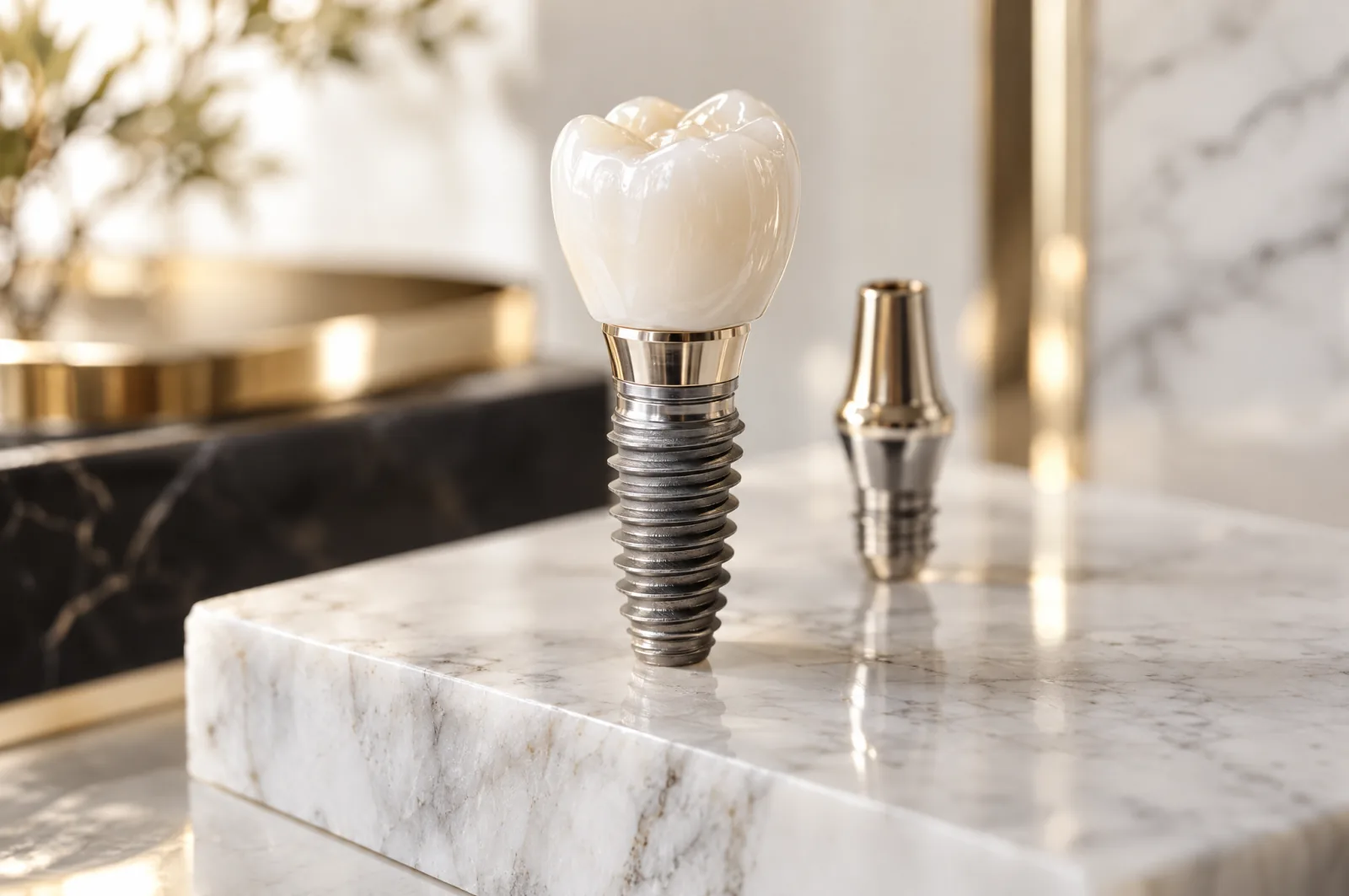
Implants cannot get cavities, but the gum around them can get sick. The daily routine, the tools that help, and what to watch for to keep implants healthy.
November 2, 2026
How often you need a cleaning depends on your gums, your teeth and your health. What a cleaning does, who needs them more often, and signs not to wait.
November 2, 2026
Sharp pain from cold, hot or sweet food often means the inner layer of a tooth is exposed. The common causes, what helps, and when to see a dentist.
November 2, 2026Book a visit. We check for wear and fit a guard made in our own lab.