
Porcelain vs composite veneers: what is the real difference?
Same idea, different material. One is made in a lab. One is shaped in the chair. The choice changes how it looks in five years.
Same idea, different material. One is made in a lab. One is shaped in the chair. The choice changes how it looks in five years.
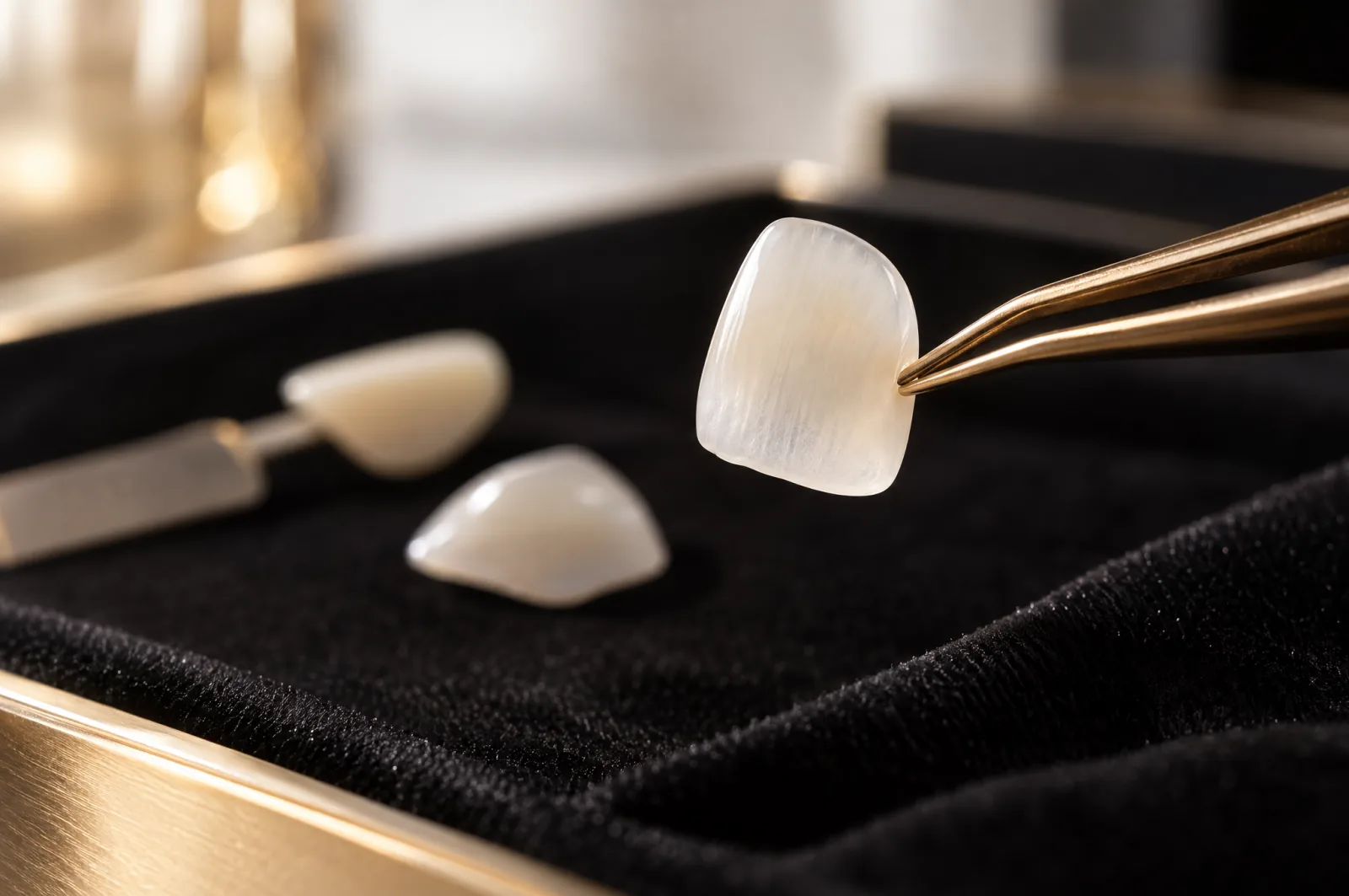
| Porcelain veneers | Composite veneers | |
|---|---|---|
| Made | In a lab, by hand | In the chair, same day |
| Visits | Two or three | One |
| Shine and depth | Like real enamel | Good, flatter over time |
| Stains | No | Yes, over years |
| Lasts | Usually 10 to 15 years | Usually 5 to 10 years |
| Repair | Replace the veneer | Patch in minutes |
| Cost | Higher | Lower |
Our porcelain is layered by hand in the lab inside our office. The ceramist meets you and matches the color in daylight. That is the difference between a veneer and a white tooth-shaped sticker.
For a chip, a small gap or one dark tooth, composite is smart. It is fast, cheap and keeps your tooth. You can always move to porcelain later.
Close, on one tooth. Over a whole smile, porcelain keeps its shine and color much longer.
A thin layer of enamel, yes. Composite needs almost none.
If it is your whole smile and you want it to last, porcelain. If it is one tooth and you want it now, composite.
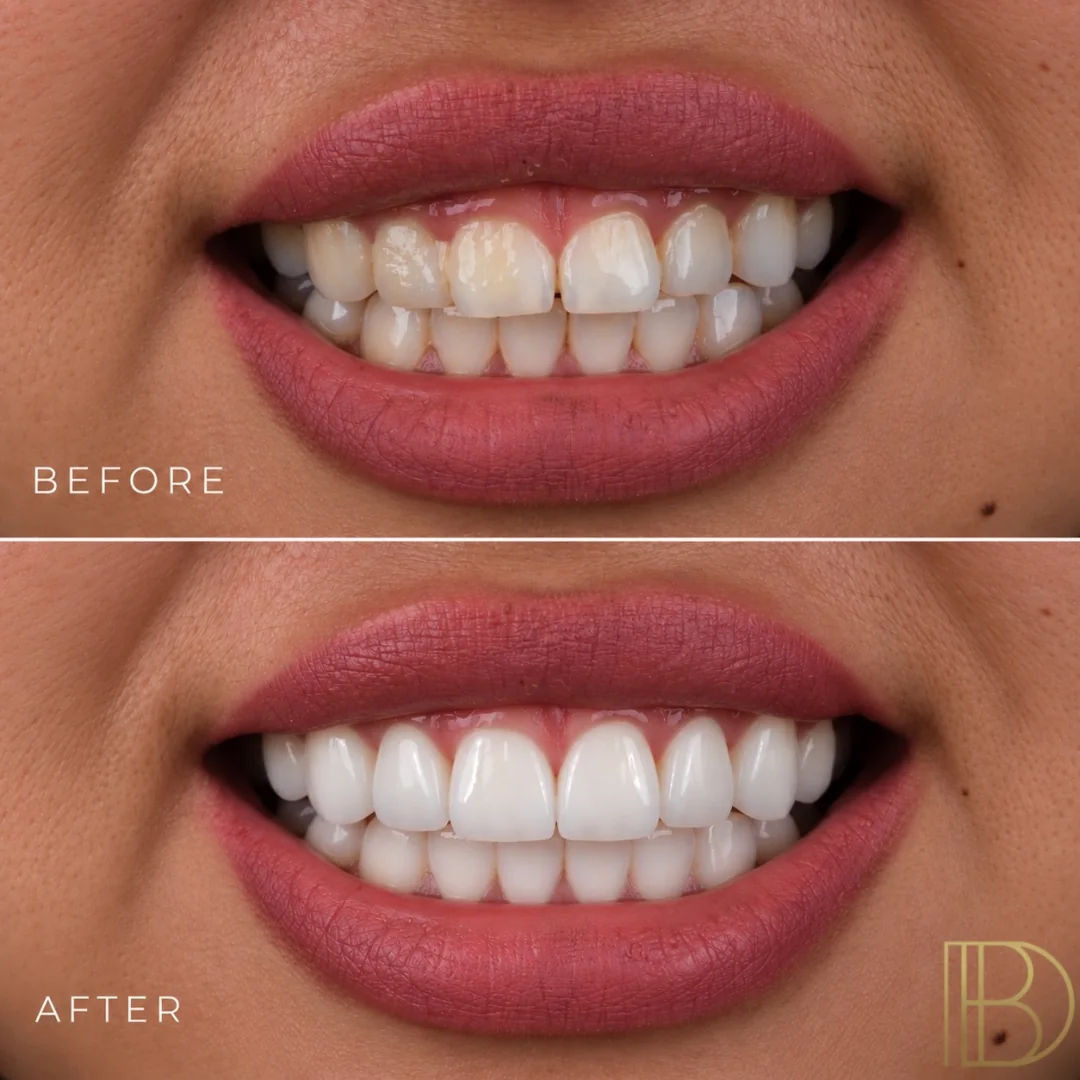
Porcelain veneers usually last 10 to 15 years with normal care. What helps them last, what breaks them, and the signs it is time to replace one.
November 2, 2026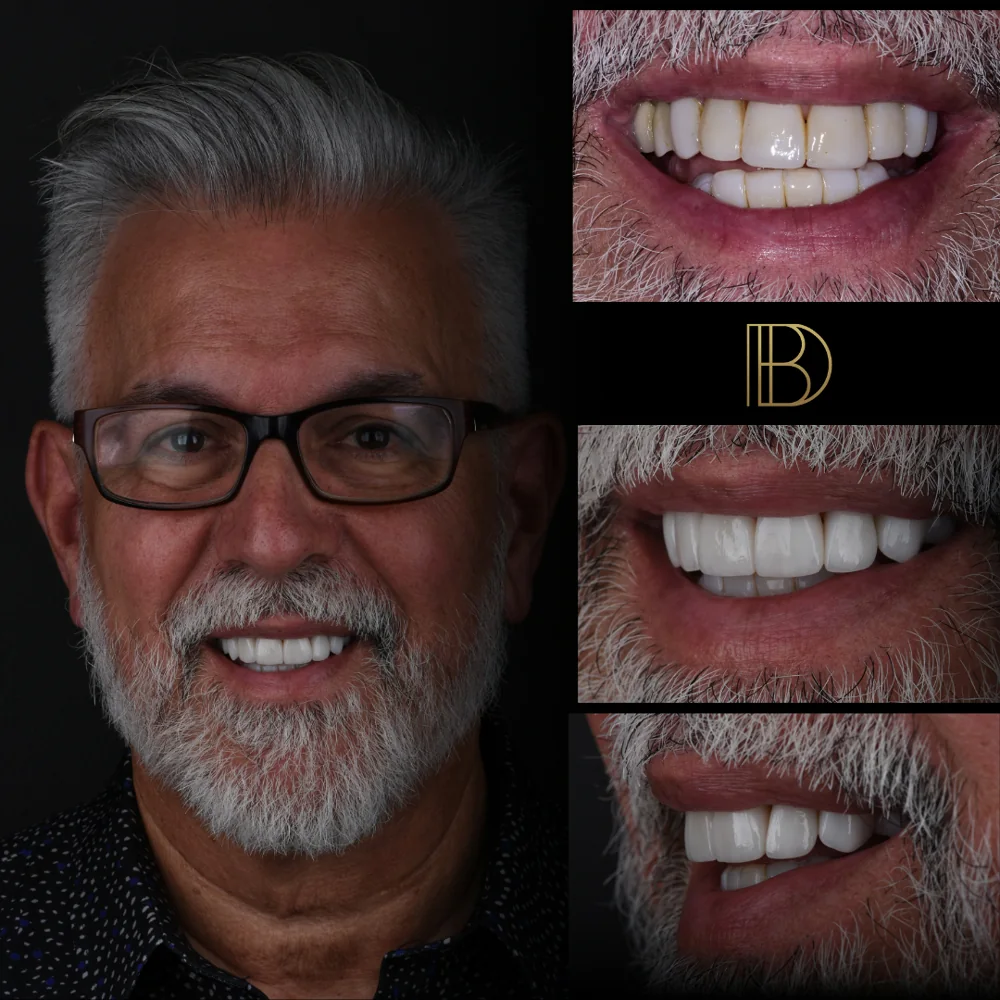
No-prep veneers go on with little or no shaping of your teeth. Who they fit, who they do not, the honest trade offs, and how to know if they suit you.
November 2, 2026Book a visit. We show you both options on your own photos.