Bonding: chips and gaps fixed in one visit
Tooth-colored material is shaped right onto the tooth and polished. No lab. No second visit.
Tooth-colored material is shaped right onto the tooth and polished. No lab. No second visit.
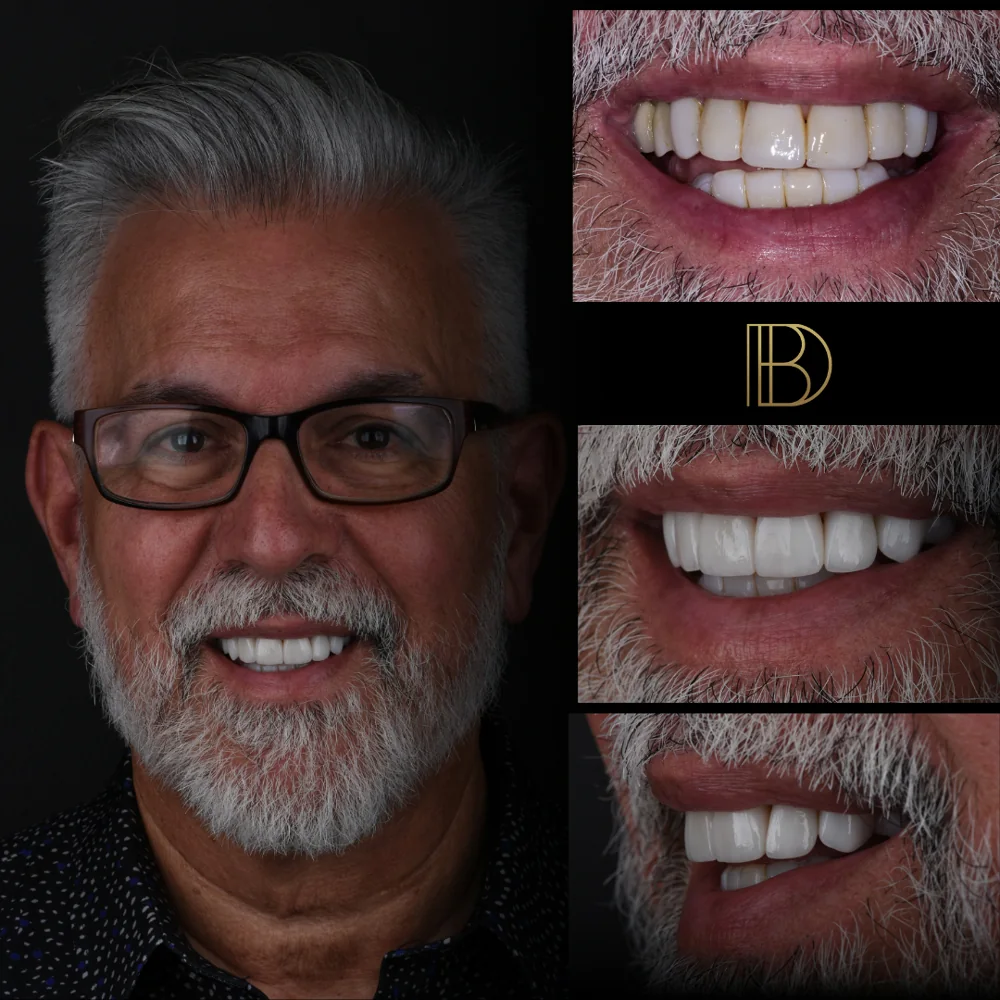
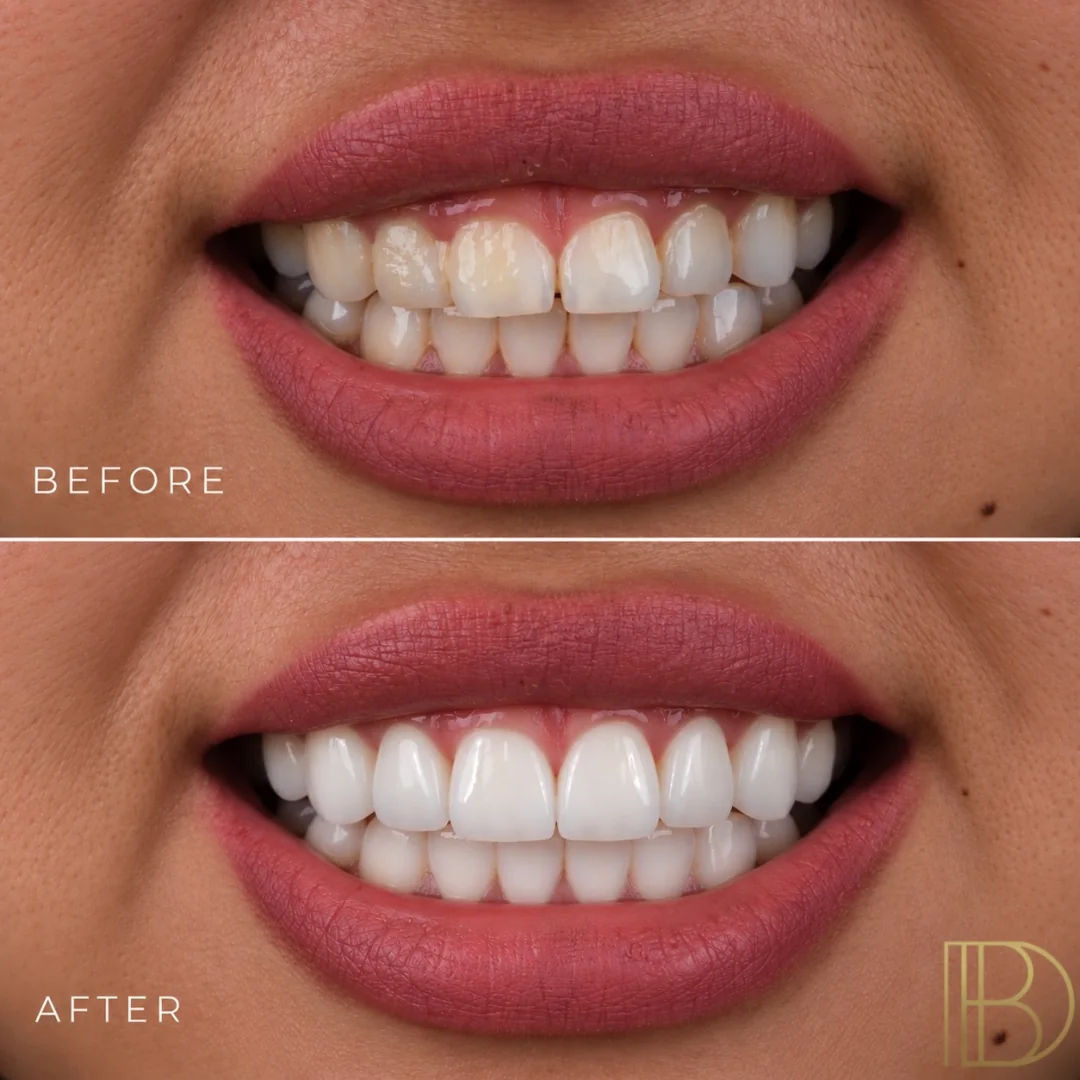
Bonding fixes a small chip or crack, closes a small gap, or covers a small dark spot. It is fast, it costs less than a veneer, and in the hands of a cosmetic dentist it is hard to see.
Bonding is best for one or two small fixes. Veneers are stronger, do not stain, and are better when several teeth or the whole smile need to change. We show you both on your own photos.
The material is matched to your tooth.
The surface is roughened a little so the material sticks.
The dentist builds it up by hand to the final shape.
A light hardens it. We polish it to shine like enamel.

Two cosmetic dentists trained at Boston University and Nova Southeastern. A lab inside the office that makes and adjusts your teeth while you wait. And a design you approve on screen before we start.
Usually 5 to 10 years. Biting nails or chewing ice shortens that. It is easy to touch up.
It can pick up some color over the years, more than porcelain. Polishing at your cleanings keeps it bright.
Usually no numbing is needed. Bonding adds material. It does not take tooth away.
Veneers can close small and medium gaps between front teeth. When they work well, when braces or bonding are better, and why new gaps need a gum check.
November 2, 2026
Chipped a tooth? What to do in the first hour, when it is urgent, and the ways a dentist fixes it, from a quick polish to bonding, a veneer or a crown.
November 2, 2026Send a request. We call you back to set a time.